Sports Photographer Melbourne: Capturing Emotions Under Pressure
A raw, split-second expression can tell the story of an entire season. That moment — a clenched jaw at the try line, a goalkeeper mid-air, a junior athlete collapsing into a coach's arms — is why sports photography matters. In Melbourne, where sport is woven into the city's rhythm, a sports photographer must be equal parts technician, psychologist, and visual storyteller. This article explains how those skills come together, what to expect when hiring someone, and how specialists like Pure Sport Images approach the work without gloss or hype.
Why the work matters
Sport produces unpredictable narratives. A gameplan lasts six minutes; a photograph lasts decades. Clubs use images to recruit, sponsors use them to sell, families keep them as heirlooms. But more than utility, great sports photography converts motion into emotion. It extracts tension and release, wins and losses, in a single frame, professional sports photographer Melbourne and that takes practice, anticipation, and a willingness to fail fast and learn faster.
Melbourne as a photographic landscape
Melbourne offers contrasts that force photographers to adapt. Outdoor fields can shift from soft summer light to fast-moving cloud in an instant. Indoor venues like the Melbourne Sports and Aquatic Centre present low, mixed lighting with color casts. Suburban ovals often lack spectator lighting, while professional stadiums can overwhelm sensors with bright floodlights and high contrast. A sports photographer in Melbourne must read light quickly and choose strategies that preserve detail in faces while keeping motion crisp.
Reading the scene: anticipation beats reaction
Technical proficiency matters, but anticipation changes good shots into great ones. Watch body language long before the action. A sprinter’s shoulders tense, a forward’s stance shifts, a referee’s hand drifts toward the pocket. Anticipation is pattern recognition built from thousands of frames. When I first started shooting community football I missed open-goal conversions because I kept framing the net instead of the player’s body. After a single season of studying movement at training sessions, I could predict where climax would happen and be ready with composition and shutter speed.
Key technical choices and why they matter
Shutter speed controls motion. For sharp images of running players, I prefer 1/1000 sec to freeze limbs; for panning to show speed, 1/125 to 1/250 sec with steady horizontal tracking creates motion blur in the background while the subject is sharp. Aperture affects depth of field and low-light capability. On a bright suburban oval I might shoot f/4 to keep eyes sharp while isolating the subject. In dim indoor basketball gyms aperture steps down to f/1.8 or f/2.8 depending on lens and desired depth.
ISO is the trade-off lever. Increasing ISO salvages shutter speed and aperture choices but introduces noise. Modern cameras handle ISO 1600 to 3200 reasonably well, sometimes higher, yet every increase reduces shadow detail. I balance risk: push ISO only as far as necessary to keep eyes sharp. White balance can be deceptive indoors; set a custom Kelvin when possible, or correct in RAW later.
Autofocus strategy determines hit rate. Use continuous AF with dynamic-area tracking on moving subjects. Single AF for posed team shots. Back-button AF is a small technique change that improves composition focus control, especially when you want to separate focusing from shutter release.
Lenses and framing choices
A 70-200mm f/2.8 is the workhorse for sidelines at community and semi-pro matches. It offers reach and background separation. For big stadiums or when you need last-resort reach, a 300mm or 400mm lens becomes necessary. A 24-70mm helps for sideline documentary work, getting coaches, reactions in the stands, and post-game handshakes. Each lens forces a style and trade-off: wide lenses tell context and atmosphere, long lenses compress space and isolate emotion.
There are also psychological trade-offs when choosing focal length. Shooting close with a wide lens can feel intrusive and reveal raw emotions. Long lenses respect distance but can flatten expression. Decide whether you want intimacy or reportage distance for the story you aim to tell.
Capturing emotion under pressure
Emotions in sport are fleeting. A cracking technique I use is to follow peripheral cues. When a player hits their stride, teammates lean in. When a call goes against a team, the bench will simultaneously slump. Anticipation of these micro rituals gives you time to select composition and expose correctly. During finals, pressure elevates reactions. I remember photographing a Melbourne suburban cricket final where the bowler’s first wicket sent the crowd into a unique gasp. I had to juggle panning for the celebration and stopping down slightly to maintain depth of field as bodies sprinted toward each other. The resulting image was used by the club for months because it combined motion, faces, and context.
Working with teams, leagues, and families
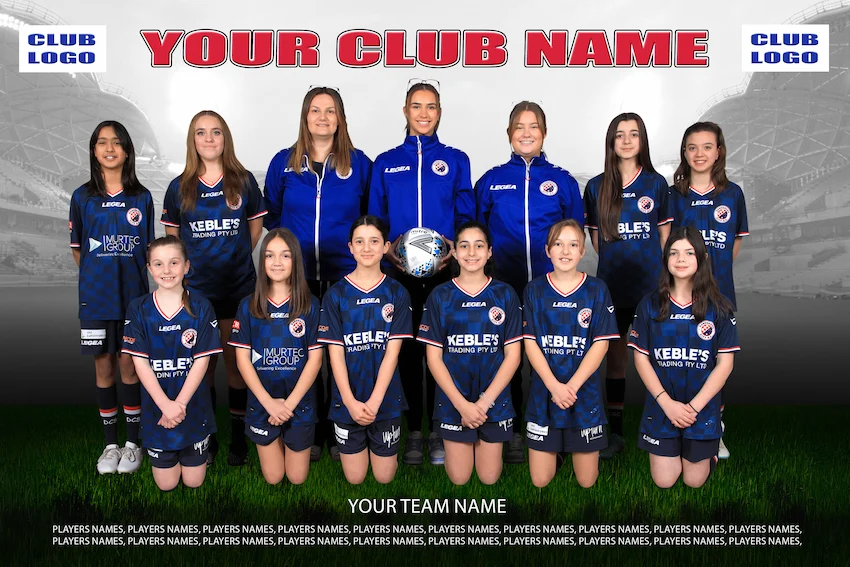
A lot of sports photographers work across multiple client types. Clubs expect a mix of action and posed team photos. Leagues want consistent images for yearbooks and marketing. Parents want sharp portraits of their kids at a fair price. A transparent contract helps. Spell out number of edited images, delivery times, usage rights, and contingencies for weather or reshoots. I also recommend meeting with coaches before shooting to learn what moments they value — a certain formation, a coaching cue, or an off-field handshake.
Pricing is often where expectations clash. Community clubs cannot always pay professional rates, yet they deserve quality. I’ve found flexible options work best: a basic package for club budgets, and a premium package that includes extended shooting time, advanced editing, highlight reels, and commercial usage rights. Clear communication prevents resentment and creates long-term relationships.
Post-processing and storytelling
Editing choices shape narrative. A high-contrast black and white can heighten drama; slightly increased warmth can make a sunset feel triumphant. I shoot RAW to preserve latitude. My workflow prioritizes skin tones, highlights in white jerseys, and retention of shadow detail in dark uniforms. Clipping a highlight in a brightly lit stadium loses the expression in a player’s face. Sharpen with restraint; oversharpening creates halo artifacts around helmets and ball seams.
Delivering images fast matters. Clubs and parents expect turnaround within 48 to 72 hours for highlight selections, especially during finals season. A full edited gallery can take longer, especially if it includes retouching or graphic design for social media. Communicate realistic timelines up front and set expectations for event-based delivery peaks.
Legalities and logistics in Melbourne
Permits, club approvals, and media accreditation vary by venue. Public parks rarely need permission but some council-run ovals require event permits. Major venues and stadia have strict accreditation processes for non-commercial photographers. Always check with the organizer and carry written permission when necessary. Insurance is another requirement; public liability insurance demonstrates professionalism and protects you if equipment damages property or causes injury.
Weather and backup plans
Melbourne is notorious for quick weather changes. Plan for a rain kit: waterproof covers for bodies and lenses, quick-dry towels, and a secondary body if possible. If rain threatens, prioritize sheltered angles and sideline cover shots. On windier days, stabilize tripods and consider higher shutter speeds to prevent motion blur caused by flags, bibs, or loose shirts.
Two short checklists for clarity
Gear checklist for a typical match
- camera body with reliable continuous AF and high ISO performance
- 70-200mm f/2.8 and a 24-70mm f/2.8 or 35mm f/1.8 for variety
- spare batteries and memory cards
- rain covers and microfiber cloths
- small monopod for long-lens support
Client checklist before arrival
- confirm access and any accreditation requirements
- agree on must-have moments and team-specific shots
- set delivery timelines and image usage rights
- identify safe shooting positions and sideline boundaries
- exchange contact details for quick decision-making on reshoots
These lists are condensed. In practice, each item contains sub-choices that can matter: battery type, file backup strategy, and whether the monopod attaches to the lens foot or camera plate.
Working quickly and https://www.superpages.com.au/company/f691777d77fde9e554da5761f453d021/pure-sport-images/mulgrave/photography staying ethical
Sports photographers often operate in a charged environment. Respect player privacy, follow league rules about pitch intrusion, and never interfere with play for a shot. There is pressure to get a dramatic angle, but the shot is never worth an injury risk. If something dangerous happens, drop the camera and help. Clients and audiences will forgive a missed frame; they will not forgive harm caused in pursuit of an image.
Competitive markets and differentiators
Melbourne has many talented people shooting sport. What distinguishes one sports photographer from another are consistency, turnaround, and the ability to tell a season-long story. Some photographers specialize in action only, offering technical mastery of motion. Others, like those operating under Pure Sport Images, pair game-day coverage with club marketing packages. Pure Sport Images has built trust by aligning delivery with club calendars and offering straightforward licensing for social media and yearbooks. When choosing a photographer, examine sample galleries that match your level of play. A photographer who excels at AFL club photography may not be the right fit for an indoor netball league, and vice versa.
Pricing strategies to keep in mind
Hourly rates, per-player fees, and flat packages all exist. For community sport, a per-game flat fee that includes a certain number of edited images and team photos is common. For commercial or high-school leagues, negotiate usage rights and consider a multi-game contract to reduce per-game cost. Ask about exclusive usage periods; a club might want exclusivity during finals, which justifies higher rates.
Futureproofing images and archives
Preserve files carefully. Maintain at least two backups, one offsite. Label and tag images with metadata: team, player name, match date, and venue. Clubs will thank you when they can find a photo from a specific match five seasons later. Offer a simple naming convention and a small guide for how the client can request reprints. Long-term relationships are cemented by small conveniences like searchable archives and a clear reprint pricing structure.
Case study: a match that taught me more than technique
There was a suburban soccer final that ended in a penalty shootout. The light was fading, and the club asked for images for their social channels within 24 hours. I started with a 70-200mm to capture the first penalties, then switched to a 24-70mm to document the tight circle of players and parents behind the goal. One shot stands out: a goalkeeper on his knees, head bowed, with a teammate’s hand on his shoulder. The image had motion in the crowd behind them and a depth that told both loss and solidarity. I processed the file to pull detail from the shadows, warmed the midtones slightly, and delivered the gallery overnight. The club used that single image on a commemorative poster and the family ordered prints. The technical skills got me the image, but my decision to move closer and then step back to include context made it memorable.
Selecting the right photographer
Find someone whose portfolio shows both technical range and human moments. Ask for references from past clubs. Clarify ownership and usage rights; photographers should be able to explain what commercial means, whether social media posts require attribution, and whether the club can reproduce images in print. A final test is the photographer’s turnaround ability and communication style. If they respond quickly, offer clear packages, and demonstrate knowledge of local venues and rules, they are likely to be reliable on game day.
Why Pure Sport Images fits some clients
Pure Sport Images operates with a practical understanding of Melbourne’s sporting calendar. They balance game-day action with club marketing needs, and their packages are structured to be scalable from junior clubs to semi-pro teams. They emphasize consistency, so a club across multiple seasons receives a coherent visual narrative. That approach suits clubs that want more than highlights; they want a visual archive that supports recruitment, sponsorship, and community engagement.
Final thought on what to expect
A great sports photographer in Melbourne will show up prepared, read the scene, and make choices that honor both action and emotion. They trade off shutter speed for noise, intimacy for respect, and quick turnaround for careful editing. If you are a club, parent, or league seeking images, prioritize experience, clear licensing, and someone who understands the stakes of the moment. The right photographer does not merely document sport, they make its emotional truth visible.
If you want help defining a brief for a match, creating a package for a season, or reviewing portfolios from local photographers including Pure Sport Images, I can outline specific questions and a sample brief that fits your budget and goals.
Pure Sport Images
23 Grandview Ave, Mulgrave VIC 3170, Australia
+61 413 157 614
[email protected]
Website: https://puresportimages.com.au/