Pure Sport Images: Styling and Wardrobe Advice for Athlete Shoots
Getting a strong athlete portrait takes more than a good camera and a talented shooter. Clothing, colour, fit, and small prop choices determine whether a photograph reads as authentic, powerful, and usable across marketing, editorial, and commercial formats. For sports photographers in Melbourne and anyone working with Pure Sport Images, the job is to guide athletes so their kit works for the camera, the brand, and the athlete’s story. Below I share practical wardrobe strategies, hard-earned trade-offs, and checklists you can use on set.
Why this matters A single wardrobe decision changes how viewers read an image. A tight-fitting compression top can convey speed and athleticism, while a loose hoodie suggests comfort or recovery. For sports photography Melbourne clients, those signals affect sponsorship value, editorial placement, and team identity. The right choices save time on set, reduce post-production headaches, and make a photographer’s life easier when delivering a final gallery to a club, brand, or athlete.
Reading the brief and understanding use Begin every wardrobe conversation by clarifying how the images will be used. Is the shoot for social media, a billboard campaign, team media guides, or an editorial feature? Social posts tolerate more saturated colours and cropping, editorial spreads often demand natural textures and flattering lighting, and commercial work might require exact colour matching for a sponsor’s kit. An image intended for a 6 meter banner demands different framing and contrast than one destined for a 1:1 Instagram tile.
A quick real-world example: I once shot a series for a semi-professional Melbourne club that needed both headshots for their website and lifestyle portraits for a fundraiser brochure. We compromised by planning two outfit sets. Tight training wear for dynamic in-action frames, and club polos with clean lines for formal headshots. That saved us from reshoots and satisfied multiple stakeholders.
Building a wardrobe plan that scales When you work with teams or with an agency like Pure Sport Images, plan clothes that scale across players. Have a mix of identical pieces for team identity and a few variations to highlight individual athletes. Scaling considerations include colour consistency, fabric behaviour, and how logos read at different distances.
Colour and contrast: what photographs well Solid colours photograph more reliably than busy patterns. Mid-tones like navy, burgundy, and forest green often render well under stadium lighting, while pure whites can blow out and true blacks can lose detail. For Melbourne sports photography, consider the stadium and natural backgrounds. Greens can vanish against turf, and blues may clash with team colours or sponsor backdrops.
Bright colours can add energy, but they demand disciplined exposure and careful white balance. If a sponsor requires neon or fluorescent kits, capture reference frames for colour grading on set and shoot RAW so you can correct hues later.
Texture, fit, and fabric behaviour Fabric tells a story. Compression fabrics sports poster prints Melbourne communicate performance, cotton implies recovery or lifestyle, and textured weaves often read premium. Fit is crucial. Clothes that are too baggy create visual noise and tend to obscure muscle lines; too tight and they can look strained or unflattering on camera when the athlete moves.
Synthetic fabrics reflect light differently than natural fibres. Polyester and nylon can create specular highlights that distract on close-ups. Matte finishes are preferable for portraiture when you want the face and expression to dominate. If an athlete must wear a shiny kit for team reasons, soften highlights with fill light or adjust polarisation on lenses when possible.
Logos, sponsorship, and negative space Logos are inevitable in sports photography. The trick is to manage them so they add to the story without overwhelming it. For headshots and portraiture intended for commercial use, confirm sponsor guidelines in advance. Some brands require prominent placement, others restrict usage. If multiple logos compete, suggest rotating garments so no single frame looks cluttered.
When photographing a kit-heavy subject, leave breathing room around logos. Avoid cutting logos at the frame edge unless the composition consciously relies on partial framing. Large, contrasting sponsor marks can become the first visual read, pushing the athlete to second place.
Accessories that elevate the frame Accessories can be the subtle detail that elevates an image. Compression sleeves, wrist tape, watches, and mouthguards tell the viewer about the sport and the athlete’s persona. But less is more. Over-accessorizing creates distraction. Prioritise a single accessory that reinforces the narrative you want, whether that is grit, speed, or professionalism.
Shoes are often underestimated. Cleats, trainers, and court shoes read differently. If footwear will appear in the frame, ensure they are clean and match the overall palette. Scuffed, mismatched shoes can undermine professional images even when everything else looks right.
Managing hair, sweat, and quick fixes on set Athletes sweat, and sweat looks real when you want gritty, authentic portraits, but it can also create unflattering highlights. Bring small towels, blotting paper, and a makeup wipe station. For polished headshots, a light dusting of translucent powder on the forehead reduces shine without making skin look matte and lifeless.
Hair control matters for headshots and action frames. Elastic bands and discreet clips are invaluable. Keep a small kit of bobby pins, elastic ties, hair spray, and a comb. Male athletes may prefer a natural look, but stray hairs and flyaways catch light in ways that are easy to avoid with a quick tidy.
Practical checklist for pre-shoot packing Use this five-item checklist before you leave for a shoot. It prevents the most common wardrobe disasters.
- two spare tops of different tones for quick swaps
- neutral-coloured base layers that fit snugly, for underkits or layering
- a small kit with hair ties, bobby pins, blotting papers, and a touch-up powder
- one pair of clean shoes that match the look, plus a second pair for action
- a label or tape and a pen to mark and organize garments by athlete or shot list
Layering and silhouette: telling a story with garments Layering is a powerful storytelling device. A sleeveless compression top under a light jacket implies readiness and speed. A zipped hoodie half-open communicates relaxation after training. Change the top layer and you change the narrative. For mixed-use shoots where the athlete should appear both on and off-duty, plan two or three silhouettes rather than a dozen random pieces.
Consider the neckline and collar treatment. A high neck can frame the jaw and neck differently from a V-neck or crew. Collar shapes affect how light falls on the face and how shadows define the cheekbones.
Colour matching and group cohesion For team shoots, coordinate rather than match exactly. Perfect matches look manufactured. Slight variations in tone and texture feel more natural and allow individuals to stand out. When you have the freedom to choose backgrounds, use them strategically. A neutral grey or a deep tonal wall keeps focus on the athlete, while a stadium background adds context but competes with kit colours.
If the shoot will produce images for multiple platforms, photograph a colour reference swatch with each setup so you can match hues in post. When I shot a preseason campaign in Melbourne, we photographed a mini swatch board for each lighting condition. It saved hours in colour grading.
Working with female athletes and fit considerations Female athletes often contend with off-the-rack gear that does not accommodate their anatomy. Bring supportive base layers and sport bras in a few sizes and styles. High-impact sports need higher support, but the ideal balance for photography is comfort and natural shape. Avoid undersized garments that create uncomfortable lines and oversized pieces that hide the athlete’s form.
Sonsider modesty and cultural requirements too. If an athlete wears a hijab, a compression-friendly sports hijab exists that reads well on camera. Plan for alterations or layering to ensure everyone feels represented and comfortable.
Lighting choices that interact with wardrobe Lighting changes the way fabrics look. Hard sunlight against a shiny jersey can create hot highlights that wash out logos and facial detail. Soft light preserves texture and allows more subtle colour reproduction. For stadium shoots during golden hour, be mindful that long shadows fall across jerseys and faces; use a fill or reflector to maintain consistent exposure.
For studio portraits, dials on beauty lights and grids allow you to control spill and emphasise textures. A matte fabric top benefits from slightly harder key light to reveal muscle definition, while glossy materials often need diffused lighting to avoid patchy highlights.
Handling tricky patterns and numbers Striped or checkered patterns can cause moire when shot at certain resolutions. If a player’s kit features tight patterns or small check prints, test frame at the final output resolution. If moire appears, change angle or increase depth of field, or request a plain alternate kit.
Player numbers can be important identifiers but may disrupt composition. Consider photographing both numbered and unnumbered variations. If the image must show a number, centre it thoughtfully and ensure it is legible at the expected crop.
Editing and colour grading trade-offs Decide early whether you will heavily grade images or maintain a natural look. Heavy grading lets you push hues, but it can also break sponsor-approved colours. For clients like clubs, provide both a lightly graded set and a fully colour-corrected set with brand-accurate swatches. Keep RAW files archived, and store a single version labeled for sponsor use.
Common pitfalls and how to avoid them Several mistakes recur across shoots. Overly busy logos, mismatched team pieces, ill-fitting compression wear, and ignoring footwear show up repeatedly. Address them in a pre-shoot checklist and by communicating expectations early. A 15 minute pre-shoot wardrobe check with the athlete usually prevents 90 percent of these issues.
Working quickly and staying flexible Shoots rarely follow the ideal timeline. Equipment fails, light changes, athletes arrive late, or a sponsor requests an on-the-fly kit change. Prioritise. If time is short, shoot the essential frames first: headshots with clean collars, a set of three-quarters action poses, and one full-length of the primary kit. Save stylistic or experimental shots for when time allows.
When a kit isn’t available Sometimes a player arrives without the required kit or their sponsor demands last-minute changes. Keep a basic selection of neutral tops and bottoms in common sizes for immediate swaps. If you cannot replicate a sponsor kit, photograph the athlete in a neutral look and later composite a kit if the contract allows. That requires planning for consistent lighting and angles, so make a note for future shoots to capture the necessary reference frames.
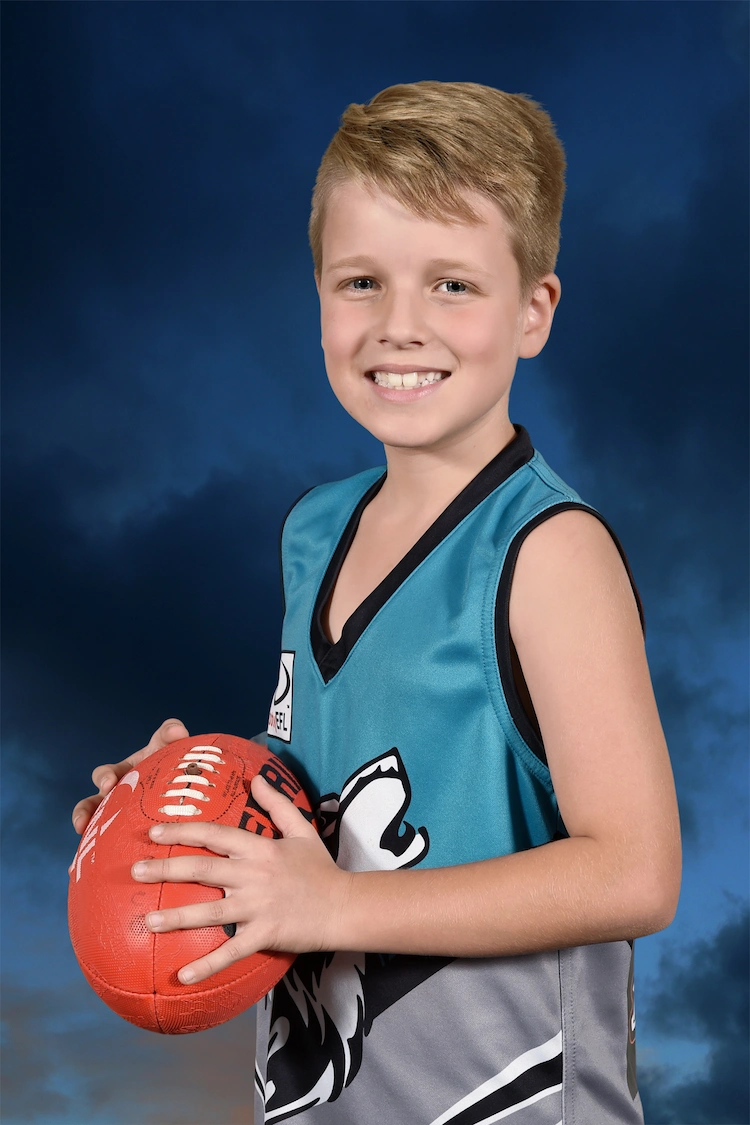
Putting it all into practice with Pure Sport Images When working with Pure Sport Images, the goal is consistency, brand clarity, and storytelling. Communicate expectations early, send visual references, and arrange for a short styling call with the athlete. For Melbourne sports photographer clients, show up with a plan for local conditions, whether that is wind on an open field, humidity on a hot day, or the specific lighting quirks of a suburban stadium.
A final note about authenticity Athletes respond to honesty. Push too hard toward a manufactured look and you lose the spark that makes sports images compelling. The best wardrobe choices support the athlete, not hide them. Aim for clothes that feel like an extension of their identity and a camera-ready version of what they already trust.
If you take one thing from this, treat wardrobe as part of your storytelling toolkit. A thoughtful choice of fabric, colour, and a single well-chosen accessory will make the difference between an image that looks like an ad and one that feels like a moment worth sharing. For sports photographer Melbourne shoots, those differences matter in booking repeat clients, securing sponsor approvals, and building a portfolio that sells.
Pure Sport Images
23 Grandview Ave, Mulgrave VIC 3170, Australia
+61 413 157 614
[email protected]
Website: https://puresportimages.com.au/